Where the Map Ends
For most of human history, journeys were not guided by maps. They were guided by curiosity
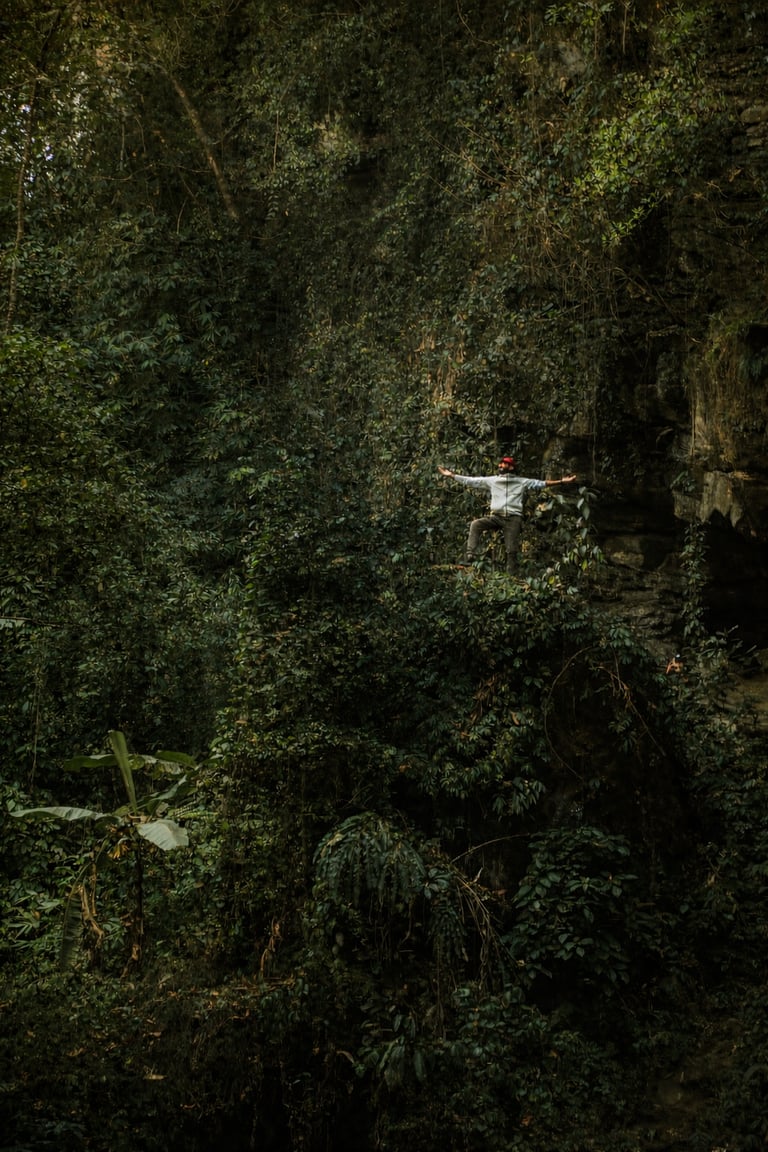
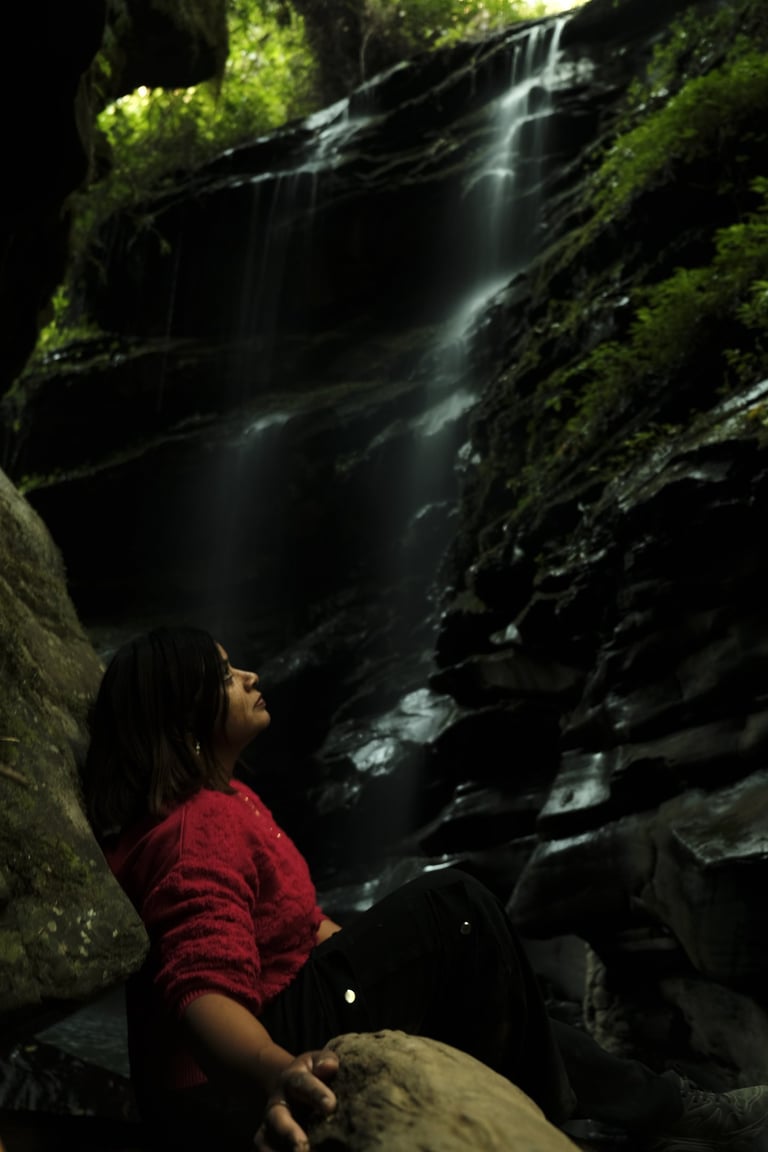
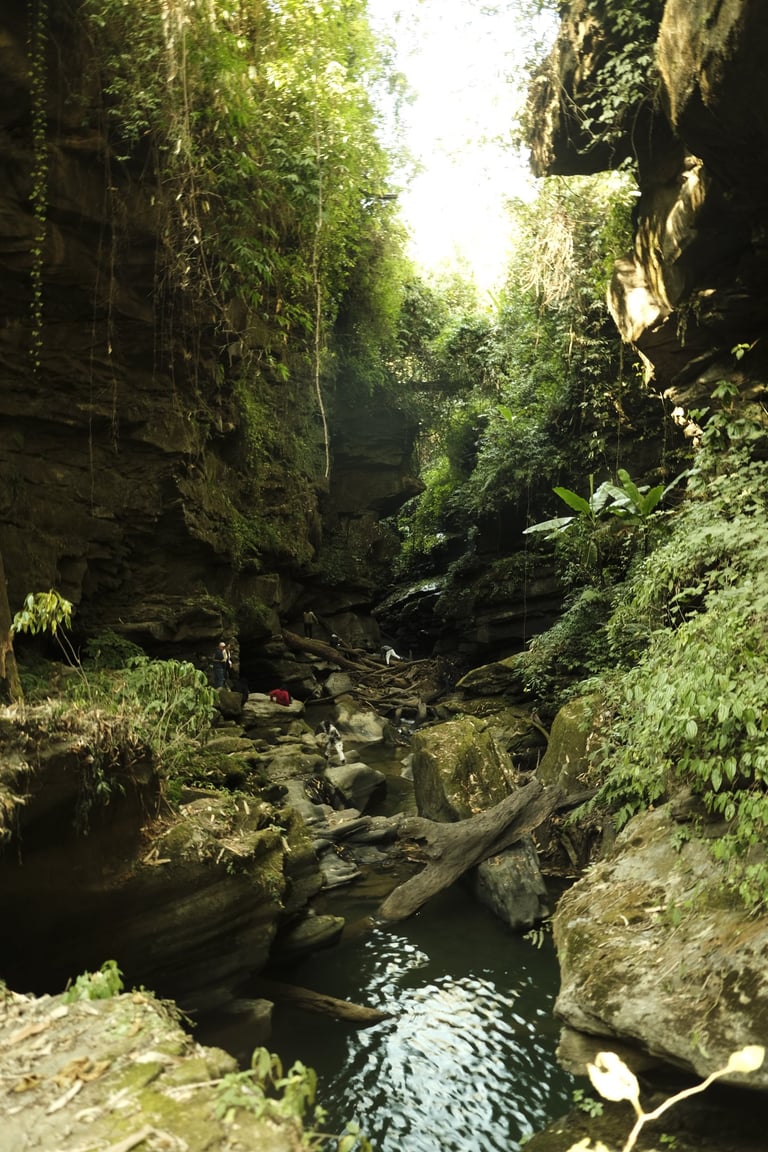
In the hills of Nagaland, the map slowly begins to lose its meaning.
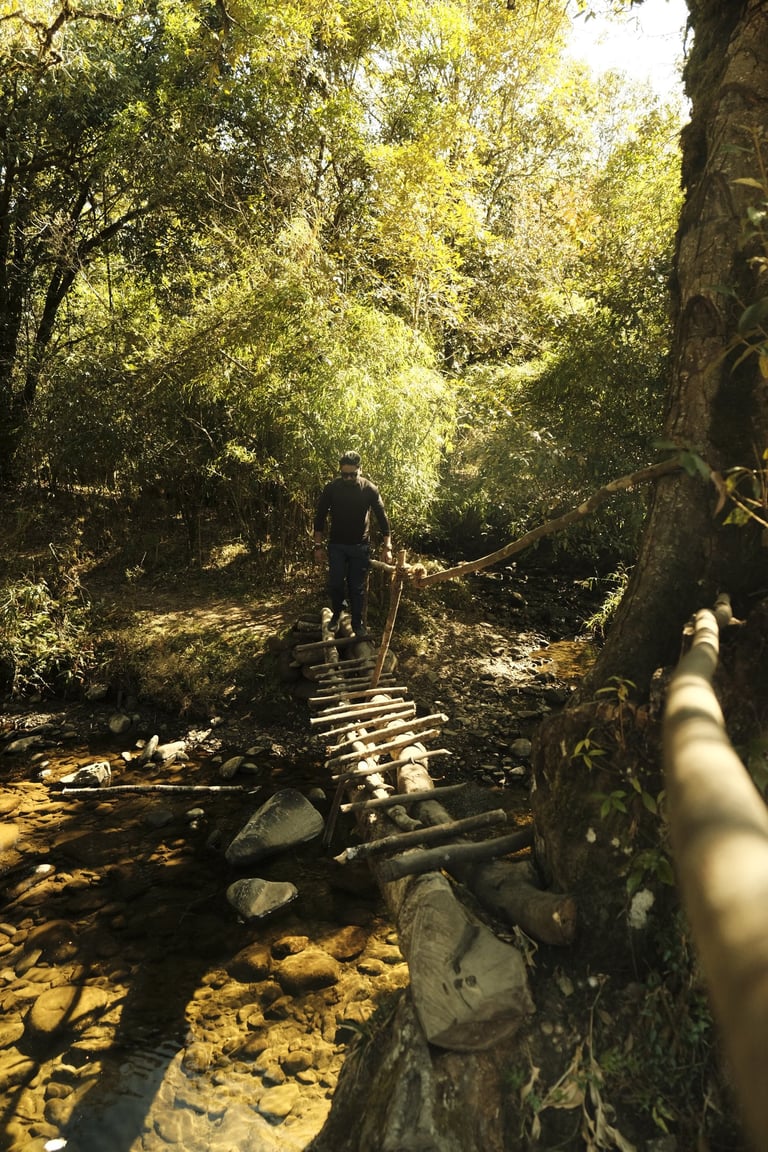
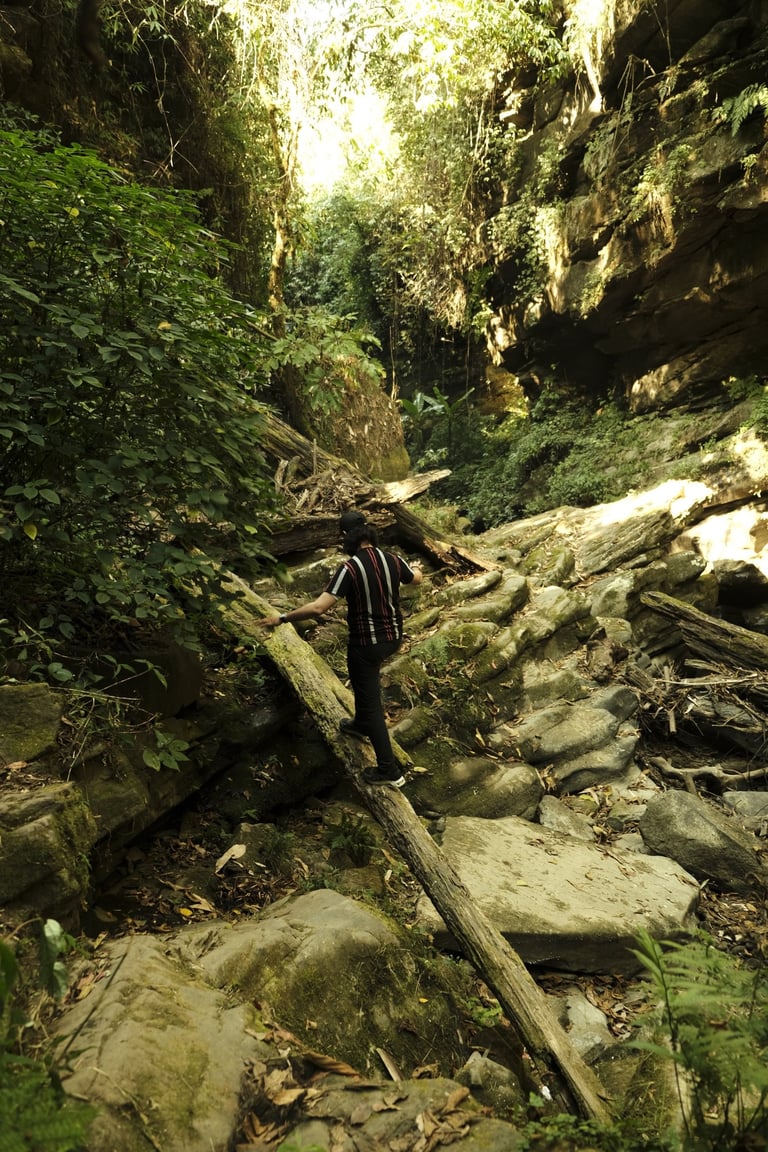
The moment you move deeper, something begins to shift. The need to follow directions softens. The idea of reaching somewhere starts to fade. Footsteps slow. Attention sharpens. The landscape begins to reveal itself in quiet, unexpected ways.
Without trying, awareness deepens.
For most of human history, journeys were not guided by maps. They were guided by curiosity. Long before routes were marked and destinations defined, people moved through places like this — learning not by instruction, but by paying attention.
Knowledge did not come from certainty. It came from exploration.
Where the land rises. Where water gathers. How the forest changes as you move through it.
Generations learned to trust what they observed, before they trusted what they knew.
Out here, in the landscapes of Nagaland, that instinct still feels close. The wilderness does not guide you. It does not try to be understood. Instead, it quietly invites you to slow down and notice.
And when you stay long enough, something begins to return — a natural sense of curiosity that modern life has slowly replaced with direction.
Because some journeys are not about reaching the edge of the map.
In many ways, they are about remembering what it means to move without one.
These moments unfold during our Wilderness & Tribes Nagaland Journey, where travel becomes less about following a path, and more about rediscovering the instinct to explore. 🌿
Follow Us On
Office:
Pune Maharashtra
Email: contact@nomaduraorigins.com
Ph: +91-7385635286
Email: contact@nomaduraorigins.com
Ph: +91-7385635286
Contact Us
© 2024 Nomadura Private Limited. Owner of the Nomadura Origins brand. All rights reserved